
Exhibit Booth Back Walls
Create clean temporary backgrounds behind exhibit spaces so each booth feels defined without depending on the existing venue wall.
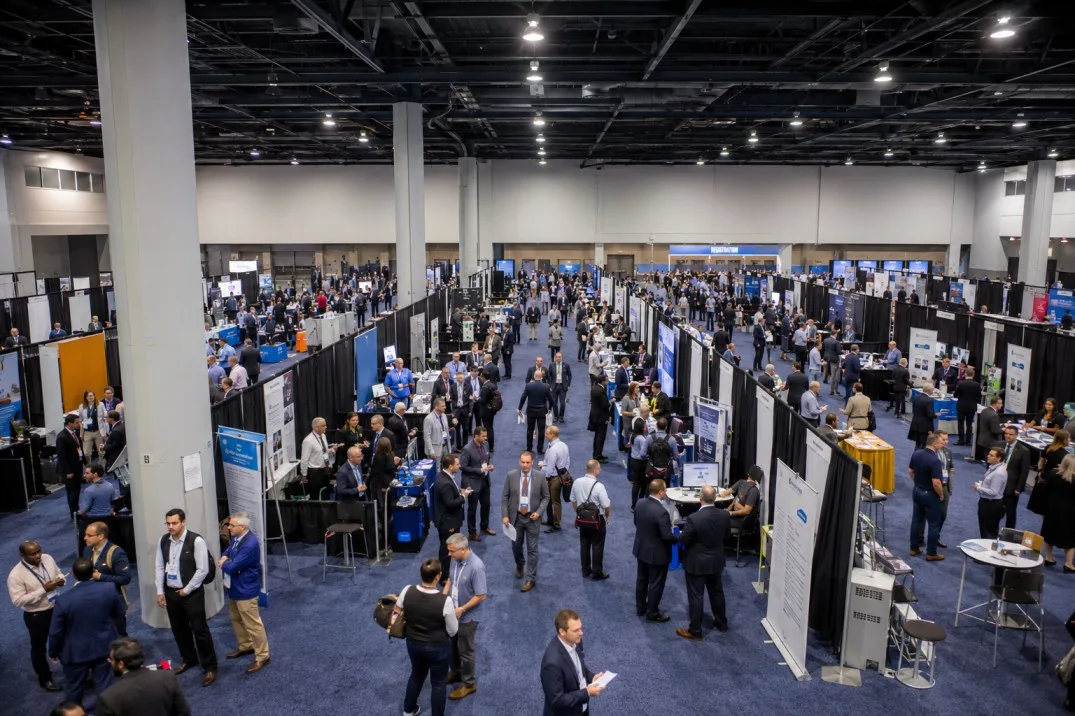
Trade Show Draping
Create exhibit booth boundaries, back walls, registration areas, stage environments, temporary divisions, and concealed production spaces with a draping plan built around the actual floor layout.
Structure The Exhibit Floor
A trade show floor has to communicate structure quickly. Attendees should be able to recognize exhibit spaces, understand where aisles begin, find registration, locate stages, and move through the venue without every working area becoming part of the public view.
Pipe and drape gives event planners a temporary way to create that structure inside ballrooms, exhibit halls, conference properties, and other venues. Back walls can define exhibitor spaces. Side divisions can separate neighboring participants. Longer runs can conceal storage, backstage activity, or sections of the room that should stay outside the attendee experience.
The system should respond to the floor plan instead of being added after the layout is already decided. Booth placement, aisle flow, entrances, stages, registration, venue access, and sightlines all influence where temporary draping is most useful.
Common Applications
Booth boundaries, dividers, backdrops, stage masking, and concealed working zones are practical ways to use draping throughout an exhibit environment. The final layout should still follow the event floor plan.
Create clean temporary backgrounds behind exhibit spaces so each booth feels defined without depending on the existing venue wall.
Separate neighboring exhibitors and create clear temporary booth boundaries throughout an exhibit, vendor, or association floor.
Use draping to define check-in, attendee services, badge pickup, information desks, and other front-of-house functions.
Create a controlled background behind speakers, demonstrations, panels, announcements, education sessions, and general-session programming.
Keep equipment, storage, production activity, staging areas, and other working spaces outside the primary attendee view.
Divide larger venues into more useful areas for exhibitors, sponsors, demonstrations, meetings, production, or other show functions.
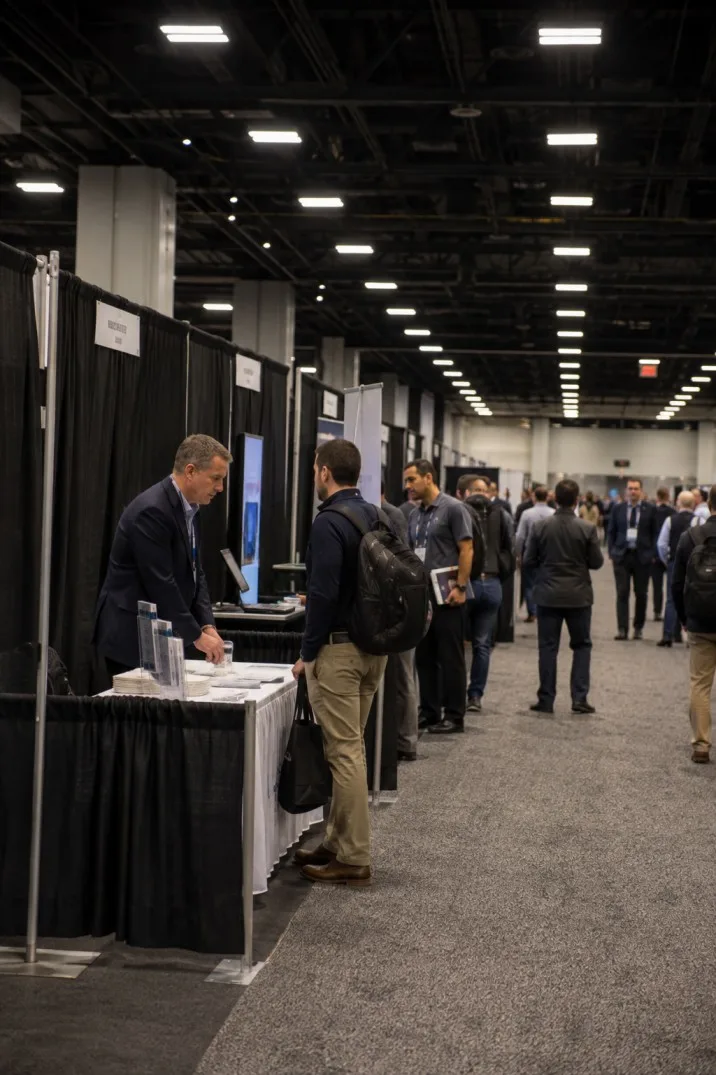
Exhibit Booth Draping
One of the most familiar uses for pipe and drape is creating temporary exhibit booth boundaries. A back wall provides visual separation from the row behind it, while side divisions can help distinguish one exhibitor from the next.
The temporary framework creates a consistent physical starting point so individual exhibitors can build their own display inside a defined footprint. The purpose is not to make every booth visually identical.
A good booth layout also considers what happens outside each space. Aisles need to remain readable. Entrances, stages, sponsor areas, and directional elements should keep useful sightlines across the floor.
If the show includes multiple booth sizes or special exhibit areas, the draping plan should follow the actual floor plan rather than assuming one configuration fits everywhere.
Show Floor Planning
Temporary walls become part of the event floor plan, which means their placement should be considered together with booth rows, stages, registration, traffic flow, and service access.
Booth locations, registration, entrances, stages, aisle widths, and service areas establish the basic structure of the draping plan.
Draping should help organize the space without creating unnecessary visual barriers or interfering with how attendees move through the show.
Important booths, stages, sponsor areas, entrances, and signs should remain visible from the places where attendees naturally approach them.
Loading access, installation windows, flooring, room dimensions, neighboring production activity, and venue requirements can influence the setup.
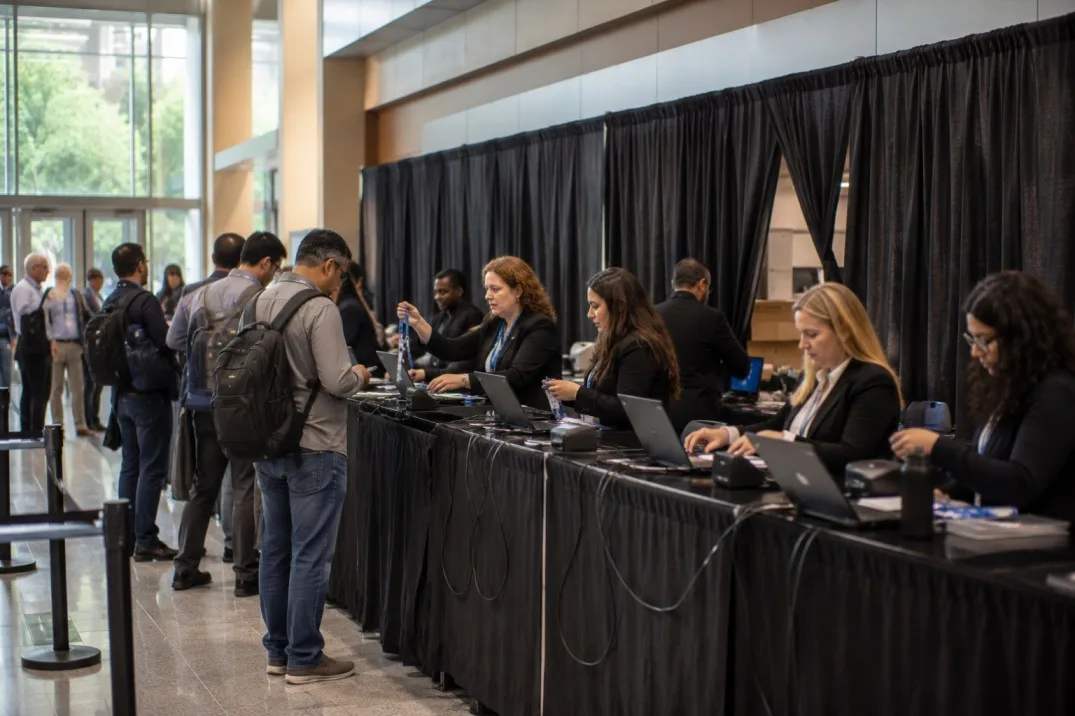
Registration & Back Of House
Trade shows require more than exhibit booths. Registration staff may need storage behind check-in. Production teams may need cases or equipment near a stage. Organizers may also need temporary working areas inside the same venue.
Draping can separate those functions from the public side of the event. A temporary fabric wall can create a cleaner background behind registration while keeping supplies out of direct view. Longer runs can conceal backstage activity or create a basic production zone.
That separation should still respect how staff need to move. Access openings, service paths, entrances, emergency routes, and connections between working areas and the show floor should remain part of the planning process.
Exhibition Environments
The scale and layout may change, but many exhibition environments need clear temporary boundaries, controlled backgrounds, and working areas that stay organized throughout the event.
Create repeated booth boundaries, back walls, temporary event zones, registration areas, and supporting production spaces across the show floor.
Organize displays and exhibitor environments inside hotels, meeting spaces, exhibit halls, and other temporary event venues.
Support vendor areas, sponsor displays, education spaces, registration functions, and conference-related exhibits within one venue.
Create clear temporary spaces for participating organizations while keeping the overall floor visually organized for attendees.

Stage & Presentation Areas
Trade shows often include demonstrations, panels, keynotes, awards, announcements, education sessions, or other programming that directs attention toward a stage.
A draped background can reduce distractions from service doors, venue finishes, or production activity behind the presentation area. It can also create a clearer visual boundary between the stage and the surrounding exhibit floor.
The useful width depends on more than the stage itself. Audience angles, screens, furniture, podiums, lighting, camera positions, and backstage access can all affect how far the background should extend.
Understanding The Services
The wider application of fabric across the show environment, including booth walls, stage backgrounds, registration, backstage concealment, sponsor areas, and temporary visual boundaries.
Current ServiceThe portable support system commonly used to hold the fabric for temporary walls, booth boundaries, backdrops, dividers, and related event structures.
Explore Pipe & DrapeThe broader use of fabric across weddings, galas, corporate programs, stages, room coverage, backdrops, and venue transformations beyond exhibitions.
Explore Event DrapingTrade Show Support
Delivery, load-in windows, venue access, setup, breakdown, and the rest of the event schedule all affect how trade show draping is coordinated.
Delivery is available for DMV Drape trade show draping projects.
Setup and breakdown are available so temporary booth walls, dividers, and stage draping can be coordinated as part of the event service.
DMV Drape accepts inquiries around the clock for trade show draping needs and project planning.
Service Coverage
DMV Drape serves trade show and exhibition projects throughout Virginia, Washington DC, Maryland, North Carolina, and South Carolina.
The venue matters because load-in procedures, floor plans, installation timing, available entrances, room dimensions, and other production activity can affect how the draping plan should work.
Explore Service AreasPlanning The Show
You do not need every detail finalized before reaching out. Basic information about the show is enough to begin understanding the draping scope.
Share the show date and any known installation or event schedule information.
The venue name or city helps establish the location and basic logistical context.
A floor plan can help identify booth rows, aisles, stages, registration, entrances, and temporary service areas.
Explain whether the project involves booth divisions, back walls, stages, registration, storage concealment, or other temporary areas.
Trade Show Draping Questions
The right draping plan depends on the venue, floor plan, number and type of exhibit spaces, attendee circulation, and other temporary show areas.
Trade show draping uses temporary fabric and support systems to create booth back walls, booth dividers, registration areas, stage backgrounds, concealed production spaces, and other temporary boundaries inside a trade show or exhibition venue.
Yes. Pipe and drape is commonly used to create temporary booth boundaries and back walls. The appropriate configuration depends on the show floor plan, booth layout, venue requirements, and the amount of separation needed.
Yes. Temporary drape divisions can help establish clearer boundaries between neighboring exhibit spaces. The layout should remain coordinated with aisles, attendee circulation, entrances, and other show requirements.
Yes. Draping can help keep storage, backstage activity, equipment, service spaces, and other working areas outside the primary attendee sightline when the venue layout allows it.
Yes. Fabric backgrounds can create a cleaner environment behind presentations, speakers, panels, demonstrations, and general-session stages.
Trade show draping describes how fabric is used throughout an exhibition environment. Pipe and drape is the freestanding support system commonly used to hold that fabric for booth walls, dividers, backdrops, and temporary event spaces.
Useful details include the event date, venue, show floor plan, number or layout of exhibit areas, areas requiring draping, approximate dimensions when known, and information about registration, stages, storage, or other temporary spaces.
Yes. Delivery, setup, and breakdown are available for DMV Drape trade show draping projects.
DMV Drape is Virginia based and serves trade show draping projects throughout Virginia, Washington DC, Maryland, North Carolina, and South Carolina.